

What is Core Drilling?
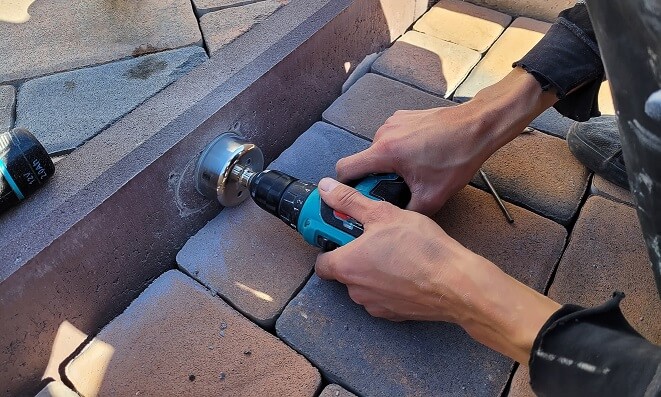
Core drilling is a controlled way to cut a round opening through concrete, masonry, stone, tile, asphalt, or another hard surface. Instead of chipping a rough hole with a hammer, a core drill uses a hollow cylindrical bit to remove a clean core of material. In plumbing and construction, that opening may be used for a pipe sleeve, drain line, vent, water line, conduit, anchor, or access point.
The phrase can also describe geological or mining work, where a core sample is removed so the material can be studied. This article focuses on the construction and plumbing meaning: concrete core drilling and related coring work used to create openings in buildings, slabs, foundations, and walls.
For homeowners, property managers, and builders, the key idea is simple: core drilling can make a precise opening, but it is not magic. The job still needs planning, scanning or locating, the right bit, proper water or dust control, and a clear understanding of what may be hidden inside the wall or slab.
What Is Core Drilling?
Core drilling is a cutting process that removes a cylinder-shaped section of material from a surface. The removed piece is often called a core or slug. The hole left behind is usually round, consistent in diameter, and cleaner than a hole made by breaking the material apart.
In plumbing, core drilling is often used when a pipe must pass through concrete or masonry and the opening needs to be placed accurately. Examples include floor penetrations for drains, wall penetrations for water or waste piping, holes for sleeves, and openings for mechanical or utility routing.
A properly planned core drilling job can reduce unnecessary demolition, but it does not guarantee that the surrounding material will never crack or be affected. Concrete condition, reinforcement, edge distance, embedded utilities, tool setup, and operator experience all matter.
Core Drilling in Construction vs. Geological Sampling
Core drilling has two common meanings. In construction, it is a cutting method used to make an opening through a hard material. In geology, environmental work, and mining, it is a sampling method used to remove a material core for examination.
Those meanings overlap because both use a hollow bit and both remove a core. The goals are different. A construction or plumbing crew usually wants the opening. A geologist usually wants the sample. For an EJ Home Services customer, the relevant question is usually whether a wall, floor, slab, or foundation can be safely opened for plumbing or related building work.
How Does a Core Drill Work?
A core drill rotates a hollow bit against the surface being cut. The cutting edge contains diamond segments or another abrasive material suited to the surface. As the bit spins, the edge grinds a circular path and the center material remains inside the barrel of the bit.
Many jobs use a drill stand or rig to hold the motor steady and keep the bit aligned. The rig may be anchored mechanically, secured with a vacuum base where conditions allow, or supported by another approved setup. Handheld coring exists, but larger holes and harder materials usually call for a mounted rig.
Water is often fed to the cutting surface during concrete core drilling. Water cools the bit, reduces airborne dust, and helps move slurry out of the cut. Dry methods may be used in some conditions, but they require suitable equipment and dust collection.
What Is Removed During Core Drilling?
The removed material is the core. In concrete, that core may include cement paste, aggregate, and sometimes reinforcing steel if the bit intersects rebar. In brick or masonry, the core may include part of a brick, mortar joints, or block material.
The core does not always come out as one tidy cylinder. It may break apart, bind in the bit, or drop when the cut is complete, especially in vertical floor penetrations. Good planning includes protecting the area below and controlling where the core and slurry will go.
Why Core Drill Bits Are Hollow
The hollow shape is what makes core drilling efficient for larger holes. The bit does not need to grind away every bit of material inside the circle. It only cuts the ring around the outside of the hole, leaving the center as a removable core.
- It reduces the amount of material that must be removed.
- It helps create a round, consistent opening.
- It allows larger diameter holes than many standard drill bits can produce.
- It leaves a core that can be removed, inspected, or disposed of after the cut.
Why Diamond Core Bits Are Used
Concrete, masonry, stone, tile, and similar materials are hard and abrasive. Diamond core bits use industrial diamond segments at the cutting edge because those segments can grind through dense mineral materials while holding up better than ordinary cutting edges.
The correct bit depends on the material, the diameter and depth of the hole, whether the job is wet or dry, and whether the surface includes reinforcement. A bit that works well for cured concrete may not be the right choice for tile, asphalt, block, or heavily reinforced concrete.
How Plumbers Use Core Drilling
Plumbers use core drilling when a pipe or sleeve needs a controlled path through a hard surface. The opening has to be large enough for the pipe, clearance, insulation or sleeve requirements, waterproofing, firestopping where applicable, and the movement or slope required by the plumbing design.
- Creating floor penetrations for drain, waste, or vent piping.
- Passing water lines or sleeves through concrete or masonry walls.
- Opening a slab or foundation wall for a planned plumbing route.
- Coordinating utility penetrations during remodels, commercial buildouts, and equipment changes.
- Making clean openings where breaking or chipping would create unnecessary damage.
Common Core Drilling Applications
| Application | Why core drilling may be used | Planning concern |
|---|---|---|
| Plumbing pipe penetrations | Creates a round opening for a pipe, sleeve, or drain route. | Confirm pipe size, slope, clearance, waterproofing, and what is inside the slab or wall. |
| Concrete walls and floors | Allows a controlled opening without broad demolition. | Check reinforcement, edge distance, access on both sides, and structural limits. |
| Mechanical and utility routing | Provides openings for conduit, vents, equipment lines, or sleeves. | Coordinate with other trades so holes do not conflict with existing systems. |
| Commercial tenant improvements | Supports new plumbing and utility layouts in existing concrete buildings. | Review plans, scan the work area, and protect occupied spaces from dust, water, and noise. |
| Repair or retrofit work | Can create access where a new route is needed through hard material. | Avoid cutting hidden wiring, piping, rebar, or post-tension cables. |
Materials That Can Be Core Drilled
Common construction materials that may be core drilled include concrete, reinforced concrete, brick, concrete block, stone, asphalt, tile, and some masonry assemblies. The word “may” matters. Not every material, thickness, or location is suitable for the same method.
The right approach depends on the material, hole diameter, depth, access, nearby edges, structural role, embedded steel, waterproofing, and whether the work area can tolerate water or dust collection equipment. In some cases, another method may be safer or more practical.
Wet Core Drilling vs. Dry Core Drilling
Wet core drilling uses water at the cutting surface. It is common for concrete coring because water cools the bit, helps the diamond segments cut efficiently, and reduces airborne dust. The tradeoff is slurry: a mixture of water and fine material that must be contained, vacuumed, and cleaned up.
Dry core drilling uses little or no water and relies on a bit and dust collection setup designed for dry work. It may be useful where water could damage finishes or equipment, but dust control becomes more important. Concrete, brick, mortar, and stone can contain crystalline silica, and drilling can make respirable dust airborne.
OSHA identifies rig-mounted core saws or drills as a construction task where an integrated water delivery system should supply water to the cutting surface when using Table 1 control methods for respirable crystalline silica. NIOSH also notes that drilling concrete, brick, mortar, and stone can generate respirable crystalline silica dust that can harm workers.
For more technical safety context, see OSHA guidance on respirable crystalline silica in construction and the NIOSH overview of silica and worker health.
Core Drilling Equipment
- Core drill motor: powers the bit and must be matched to the hole size, material, and power source.
- Core drill stand or rig: holds the motor steady and helps keep the hole aligned.
- Diamond core bit: the hollow cutting barrel that removes the circular core.
- Water feed or dust collection: controls heat, dust, and debris depending on wet or dry drilling.
- Anchoring or securing system: keeps the rig stable during the cut.
- Layout and locating tools: help mark the hole and identify hidden hazards before drilling.
- Personal protective equipment: may include eye, hearing, hand, respiratory, and foot protection depending on the job.
Planning a Core Drilling Job
Good core drilling starts before the drill is set up. The crew needs to know why the hole is being made, where it should go, what diameter is needed, how deep the cut is, and what is on both sides of the surface. A plumbing penetration through a slab is different from a small opening through a block wall.
- Confirm the required hole diameter and location.
- Check drawings, site conditions, and nearby plumbing or electrical systems.
- Determine whether the material is structural or reinforced.
- Inspect both sides of a wall or the area below a floor penetration.
- Plan for water, slurry, dust, noise, and debris control.
- Protect finished surfaces, cabinets, equipment, and occupied spaces.
- Confirm whether permits, inspections, firestopping, waterproofing, or structural approval apply.
How Professionals Avoid Pipes, Wires, Rebar, and Post-Tension Cables
One of the biggest risks in core drilling is hitting something hidden inside the slab or wall. That can include water lines, drain lines, electrical conduit, gas lines, radiant heating, rebar, or post-tension cables. Cutting a post-tension cable or critical reinforcement can be dangerous and may create serious structural problems.
Professionals reduce that risk by reviewing available plans, looking at visible clues, checking both sides of the work area, using locating or scanning methods when needed, and stopping when the conditions do not match expectations. For structural concrete, suspended slabs, post-tensioned concrete, or uncertain conditions, a qualified professional should review the drilling location before work proceeds.
Core Drilling Safety Considerations
Core drilling involves rotating equipment, hard materials, water or dust, noise, and hidden-site risks. Safety planning should match the job. A small hole in non-structural masonry is not the same as a large penetration through a reinforced concrete floor.
- Silica dust: dry drilling concrete, brick, mortar, or stone can create respirable crystalline silica dust. Use appropriate engineering controls and cleanup methods.
- Water and slurry: wet drilling reduces dust but creates slippery slurry that can damage finishes or enter drains if not controlled.
- Electrical hazards: water and power tools require safe equipment and proper power protection.
- Falling cores: floor penetrations can release a core below the work area, so the lower area needs protection.
- Tool binding and kickback: the bit can bind if the rig is unstable, the bit is wrong, or the material changes unexpectedly.
- Noise and vibration: workers and occupants may need protection or scheduling accommodations.
- Structural concerns: holes near edges, supports, tendons, or reinforcement may require engineering review.
Can Core Drilling Damage Concrete?
Core drilling can damage concrete if the work is poorly planned or performed with the wrong equipment. Possible problems include cracking, spalling, chipped finishes, misaligned holes, water damage, cut reinforcement, or a hole placed where it weakens the assembly.
That said, core drilling is often chosen because it can be more controlled than breaking or chipping. The safest answer is not that core drilling prevents damage, but that proper planning and execution reduce unnecessary damage.
Core Drilling vs. Hammer Drilling and Rotary Drilling
| Method | Best fit | Main limitation |
|---|---|---|
| Core drilling | Larger round openings for pipes, sleeves, drains, vents, and utility penetrations. | Requires planning, setup, dust or slurry control, and protection from hidden hazards. |
| Hammer drilling | Smaller holes for anchors, fasteners, and light-duty penetrations in masonry or concrete. | Not ideal for large clean pipe openings. |
| Rotary drilling | Material-specific drilling where impact is not desired, such as some tile or softer materials. | May be slower or unsuitable for large holes in dense concrete. |
| Saw cutting or demolition | Openings, trenches, or removals that are not simple round holes. | More disruptive and may require more restoration. |
Is Core Drilling a DIY Project?
For most plumbing-related core drilling, the practical answer is no. A homeowner may be able to drill small non-structural holes with consumer tools, but coring through concrete slabs, foundation walls, masonry walls, or areas with hidden plumbing and wiring is a different kind of work.
The risks are not just cosmetic. A poorly placed core can cut a utility, damage reinforcement, create water intrusion, expose workers to silica dust, or leave a pipe route that does not meet slope or clearance requirements. When a plumbing project needs a hole through concrete or masonry, it is usually better to have the plumber coordinate the penetration with the overall repair or installation plan.
What Affects Core Drilling Cost and Project Time?
Core drilling time and cost depend on the diameter, depth, material, reinforcement, access, setup, number of holes, water or dust control needs, cleanup requirements, and whether locating or structural review is needed. A single accessible wall penetration is very different from multiple holes through reinforced concrete in an occupied commercial space.
- Hole diameter and depth.
- Concrete thickness and aggregate hardness.
- Rebar, wire mesh, or post-tension cable concerns.
- Vertical, horizontal, or overhead drilling orientation.
- Access for the drill rig and water or vacuum equipment.
- Protection of finished areas and cleanup needs.
- Permit, inspection, engineering, or trade coordination requirements.
When a Different Method May Be Better
Core drilling is useful when the goal is a round, controlled opening. It is not always the best answer. A saw cut may work better for a trench or rectangular opening. A smaller hammer-drilled hole may be enough for an anchor. A reroute may be safer than cutting through a questionable slab. For sewer work, a trenchless method may avoid some interior concrete work altogether.
The right method depends on the plumbing goal, not just the tool. EJ Home Services can evaluate the plumbing problem first and then determine whether coring, rerouting, trenchless repair, drain cleaning, leak detection, or another approach is the practical next step.
When to Call a Plumber
Call a plumber when the hole is part of a plumbing repair, remodel, repipe, drain line, sewer line, fixture relocation, or water-line route. The drilling location should support the plumbing design, slope, access, protection, and code requirements.
For plumbing help in Santa Clara, San Jose, and nearby Silicon Valley communities, contact EJ Home Services. The team can review the plumbing need and determine whether core drilling should be used or coordinated as part of the project. Related services include piping and repiping, drain cleaning, hydro jetting, sewer and water leak services, and trenchless sewer repair.
Core Drilling FAQs
What is core drilling?
Core drilling is a cutting method that uses a hollow cylindrical bit to remove a round core of material from concrete, masonry, stone, asphalt, tile, or similar surfaces. In construction and plumbing, it is used to create controlled openings for pipes, drains, sleeves, vents, anchors, and utility penetrations.
What is removed during core drilling?
The drill removes a cylinder of material often called a core or slug. Because the bit is hollow, the center material stays mostly intact inside the barrel until it is removed after the cut.
Why is a core drill bit hollow?
A hollow bit cuts only around the edge of the hole instead of grinding away the entire diameter. This helps the tool make larger, cleaner openings with less material removal and leaves a removable core inside the bit.
Why are diamond core bits used?
Industrial diamond segments are used because concrete, masonry, stone, and tile are abrasive, dense materials. Diamond segments grind the cutting path while the bit rotates, especially when water is used for cooling and dust control.
What is the difference between wet and dry core drilling?
Wet core drilling uses water at the cutting surface to cool the bit, reduce dust, and help carry slurry out of the hole. Dry core drilling uses dust collection and is usually reserved for situations where water is not practical or where the material and equipment are suitable for dry cutting.
Can a core drill cut through rebar?
A properly selected diamond core bit may cut through reinforcing steel, but hitting rebar can slow the work, increase wear, and raise structural questions. Professionals should locate reinforcement and utilities before drilling and avoid cutting critical steel or post-tension cables unless the project has proper approval.
Does core drilling create dust or water?
Yes. Dry drilling can create dust, including respirable crystalline silica when drilling concrete, brick, mortar, or stone. Wet drilling reduces airborne dust but creates water and slurry that must be controlled and cleaned up.
Can core drilling damage concrete?
Core drilling can damage concrete if it is poorly planned, misaligned, too close to an edge, done with the wrong equipment, or performed without checking for reinforcement and embedded utilities. Proper layout, scanning, anchoring, water or dust control, and structural review reduce the risk.
Is core drilling a DIY project?
Small non-structural holes may be possible with consumer tools, but core drilling through slabs, foundations, walls, reinforced concrete, or areas with plumbing and wiring is usually a professional job. The risks include hidden utilities, silica dust, water damage, tool binding, falling cores, and structural damage.
Do plumbers perform core drilling?
Plumbers may perform core drilling themselves or coordinate with a concrete coring specialist, depending on the project, material, hole size, access, and local requirements. For plumbing work, the purpose is usually to create a safe, correctly placed opening for a pipe, sleeve, drain, vent, or fixture connection.



Schedule Service
Our Services






Worried about an electrical or plumbing problem?
When you need electrical or plumbing services in San Jose, Santa Clara, or any of the communities in the surrounding Bay Area, count on EJ Home Services. With more than a decade of industry experience, our expertly-trained technicians can handle just about any problem you may have. From drain cleaning to water leaks, sewer line replacements, toilet repairs, electrical repair, upgrades, and more, you can rely on us for all your needs. We even offer emergency services upon availability for serious issues that just can't wait. Our dependable team is always available to assist you.