
Why We Always Check for Tree Roots When Your Sewer Backs Up
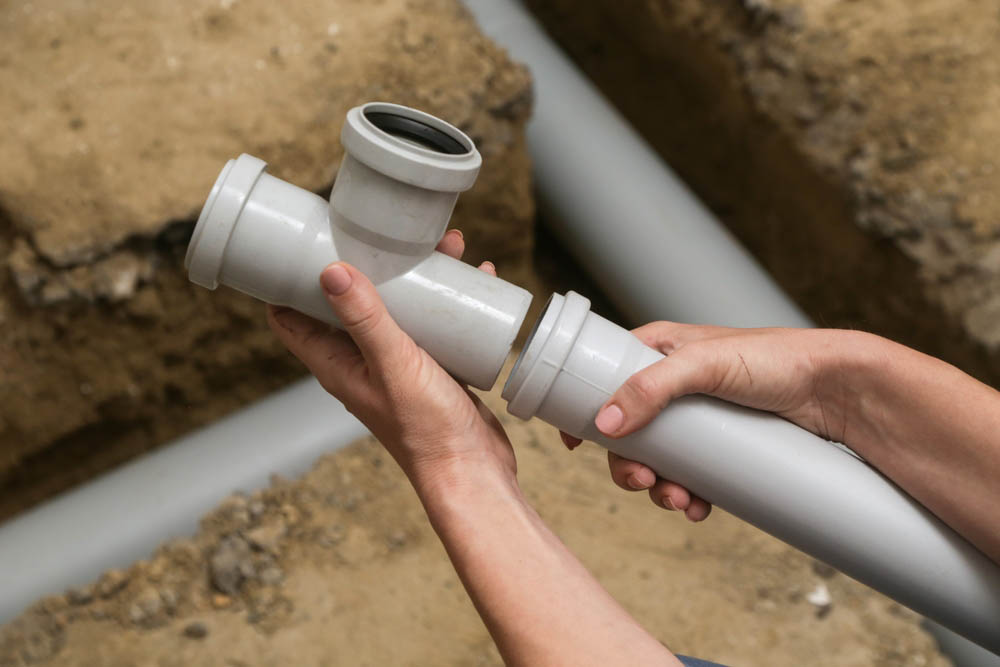
Tree roots are often the hidden trigger behind sewage backup in basement situations, so our first step is to look for signs of invading roots the moment your line stops moving waste the way it should. Backups like this usually start small. You may hear gurgling, smell odors, or notice slow drains long before anything spills out. When we investigate blockages, we look at the full path of the pipe, because roots follow moisture and tiny cracks, then grow until they block most of the line.
This is one of the reasons many homeowners call us after a sewer backup in Mountain View, CA catches them off guard.
When Tree Roots Take Over Your Sewer Line
A mainline backup often happens because roots slip through pipe joints in older clay or cast iron lines. Once inside, they spread like a net. Waste snags on the roots, and soon the pipe loses most of its working space. According to municipal wastewater studies, root intrusion is one of the most common causes of blockages in residential sewer laterals, especially in areas with mature trees. We check for this right away because clearing roots early protects the entire system from more build-up.
How Roots Make Sewage Cleanup Harder
When waste sits behind a root mass, it breaks down and creates strong odors inside the home. Once roots trap waste inside the line, the backed-up water can spill into the home, making sewage cleanup necessary to remove it safely and effectively. Our inspection focuses on finding the root source of the blockage, not just clearing the visible waste. Roots left inside the pipe will catch debris again, so identifying their location helps us create a lasting fix.
Why We Focus on Complete Tree Root Removal
When we carry out sewage backup cleanup services, our goal goes beyond removing visible waste. Simply clearing the surface blockage leaves roots inside the pipe, which can cause the problem to return. We use cameras to locate root clusters and check whether the pipe has cracks or weak spots. Removing the waste and ignoring the root intrusion only gives temporary relief. Full removal keeps waste from piling up again during normal household use.
The Downside of Ignoring Repeat Issues
Homeowners who are looking for sewage cleanup companies are often dealing with backups that keep coming back. Roots naturally regrow, especially during warmer months when trees look for steady water sources. If someone has needed frequent snaking visits, it is a strong sign that roots are active in the line. This is why we always inspect the full pipe instead of treating only the symptoms.
Long Term Repair Options We Offer
If we find damaged pipe sections, we may suggest trenchless sewer repair. This method can restore the pipe without digging up a yard, depending on the condition of the line. It works well when roots have entered through joints or cracks but have not fully destroyed the pipe’s structure. It creates a smoother interior that helps prevent new roots from finding a way in.
Restoring Full Flow
When a root mass is large, hydro jetting may be used to clear the pipe. This technique uses high pressure water to cut through roots and flush out waste. It helps restore the opening inside the line so everything moves the way it should again. We use it when the pipe is strong enough to handle pressure and when we need a complete cleanout after heavy buildup.
Common Concerns About Root Blockages
How do I know if roots are in my pipes?
Slow drains, gurgling sounds, or frequent backups are common signs. A camera inspection can pinpoint root intrusion before it gets worse.
Can roots cause a mainline backup?
Yes. Roots that grow into the mainline can block the full flow of wastewater, leading to backups that affect the entire home.
Will cutting the roots fix the problem permanently?
Trimming roots temporarily clears the pipe, but they can regrow if the underlying cracks or joints aren’t repaired.
Are older pipes more vulnerable to root intrusion?
Definitely. Clay and cast iron pipes are more likely to develop gaps where roots can enter, especially in neighborhoods with mature trees.
Is hydro jetting safe for removing roots?
When done correctly, hydro jetting uses high-pressure water to remove roots and debris without harming sound pipes, making it a reliable option for full pipe cleaning.
How often should sewer lines be inspected for roots?
For homes with older pipes or large trees nearby, a routine inspection every 1–2 years can catch root growth before it causes a backup.
When Sewer Trouble Strikes, Call Us
Call EJ Home Services if you want sewer problems handled by a family team with fast response, many years of hands-on experience, clear pricing, same day scheduling when available, and work done with strong attention to quality. We are ready to help when your line needs real solutions.
Schedule Service
Our Services





Worried about an electrical or plumbing problem?
When you need electrical or plumbing services in San Jose, Santa Clara, or any of the communities in the surrounding Bay Area, count on EJ Home Services. With more than a decade of industry experience, our expertly-trained technicians can handle just about any problem you may have. From drain cleaning to water leaks, sewer line replacements, toilet repairs, electrical repair, upgrades, and more, you can rely on us for all your needs. We even offer emergency services upon availability for serious issues that just can't wait. Our dependable team is always available to assist you.