
10 Things That Shouldn’t Go Down Your Drain: Expert Kitchen Sink Drain Tips for Silicon Valley Homeowners
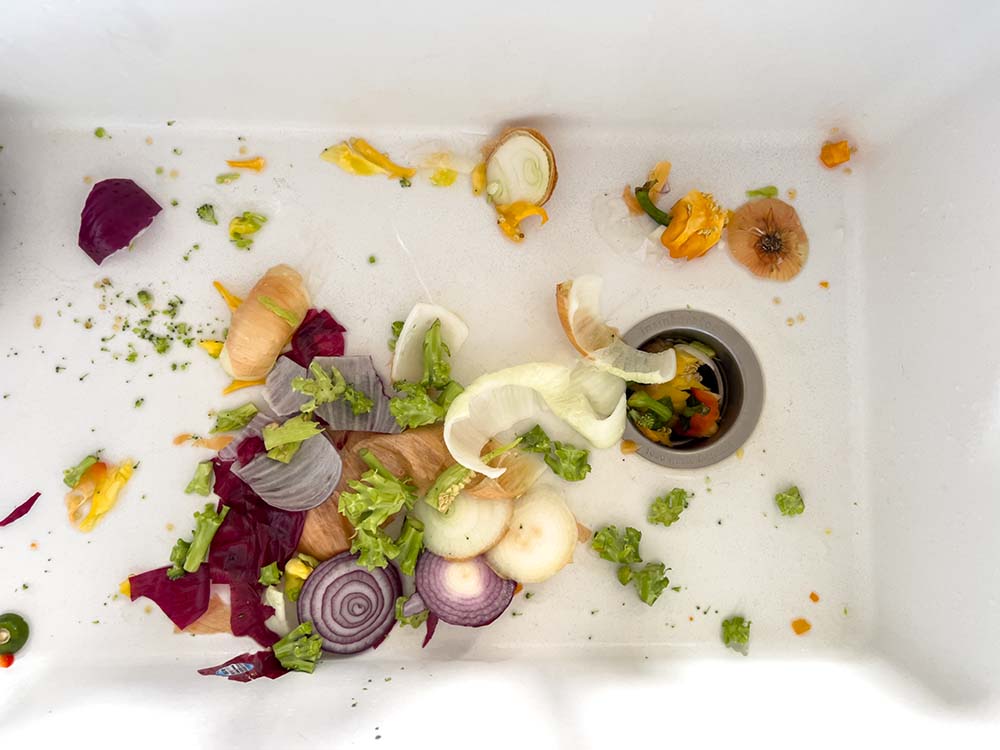
A clogged drain is a major headache that can lead to costly plumbing damage. Protect your Bay Area home and keep your pipes flowing freely by being careful about what you send down your kitchen sink drain. This guide explains 10 kinds of items that can affect your plumbing and offers better disposal methods for those materials. Following these simple steps can help you avoid drain trouble and the need for emergency plumbing repairs in Silicon Valley.
Avoid a Clogged Kitchen Sink Drain: Why Your Kitchen Sink Is Not a Trash Can
In the rush of a typical day, the kitchen often becomes a high-traffic zone. Whether you’re clearing the counters after a quick lunch in or cleaning up a big family dinner, it is incredibly tempting to treat the garbage disposal as a “catch-all” for those last few scraps. We’ve all been there—trying to tidy up as fast as possible, so we can move on to the next thing on the to-do list—but there’s a hidden cost to that convenience.
At EJ Home Services, we’ve spent 20 years helping our neighbors deal with the messy headaches that follow these quick habits. We know that the health of your plumbing system can depend on various factors, such as your daily kitchen routine, the specific items that slip down the drain, and the unique history of your home’s plumbing.
The Top 10 Things to Keep Out of Your Kitchen Sink Drain
While your kitchen sink and garbage disposal might seem like the easiest places to send meal scraps and cleanup leftovers, some everyday items are known to cause stubborn clogs. To keep your plumbing flowing smoothly, avoid putting these 10 things down the drain:
1.Fats and Oils: The Sticky Pipe Coating
Fats and oils are the hidden culprits often found in your favorite ingredients. While they might seem harmless or even liquid at room temperature, fats and oils cool and harden inside your pipes. There, they turn into a sticky, glue-like substance that can snag other debris and block your plumbing.
Common household fat-and-oil culprits include:
- Meat trimmings and skin (chicken, pork, beef, etc.)
- Shortening, lard, and butter
- High-fat condiments (mayonnaise and salad dressings)
- Nut butters (peanut, almond, etc.)
Pro Tip: Use a spatula to scrape oily sauces into the compost or trash, and wipe oily pans with a paper towel before washing them.
2. Grease: The Worst “FOG” Offender
Grease is the ultimate enemy of a healthy plumbing system and the most dangerous part of the “FOG factor” (Fats, Oils, and Grease). While all three can damage your pipes, grease is especially problematic because it sticks to the inside of pipes and builds up over time.
Although grease pours easily when it’s hot in the pan, it cools and hardens almost immediately once it reaches the colder pipes under your home. As that layer forms, it begins trapping other debris—like coffee grounds or eggshells—gradually narrowing the pipe diameter until water can no longer pass through.
Over time, fats, oils, and grease can collect in your home’s plumbing and in your local sewer system to form massive, rock-hard clogs called “fatbergs.” These clogs are large enough to block entire city lines, leading to messy sewage overflows.
Pro Tip: Never use hot water to rinse or wash grease down a kitchen sink drain. The grease will only solidify further down the line. Instead, pour liquid grease into an old can or glass jar, let it harden, and then throw it in the trash.
3. Coffee Grounds and Tea Bags: The “Sludge” Maker
Coffee grounds do not dissolve; they settle in the U-shaped P-trap and mix with residual grease to create a thick, dam-like paste. Over time, even fine grounds accumulate, stopping water flow and trapping other waste. Tea bags are equally risky; their synthetic fibers or treated papers won’t break down and often snag on pipe interiors, acting as a net for grease and debris.
Pro Tip: Use a mesh sink strainer to catch stray grounds and tea leaves before they enter the P-trap.
4. Eggshells: The Sand Trap
Think of eggshells as “plumbing sand.” Even if your disposal pulverizes the shells, they break down into tiny, heavy granules that don’t always wash away; instead, they settle in the U-bends of your pipes and stick to existing grease, building a foundation for a future clog. To make matters worse, the shell’s thin, stretchy inner membrane often survives the grind, acting like a tiny net that snags other food scraps and slows your drain to a crawl.
Pro Tip: Eggshells are high in calcium and great for garden soil! Crush them and use them as a mulch for your plants instead of sending them down the drain.
5. Potato and Carrot Peels: The Starchy Sludge
Vegetable peels—especially starchy potato skins—turn into a glue-like mortar when ground. This sludge sticks to moving parts and restricts flow. For older, lower-horsepower garbage disposals, this combination of starchy paste and tangled peels is a primary cause of motor burnout.
Pro Tip: If you don’t have a garbage disposal, always use a sink basket to catch starchy peels.
6. Fibrous Scraps: The Mechanical Tangle
Celery, asparagus, and corn husks can get trapped in your drain. Their tough fibers wrap around the garbage disposal’s motor shaft and impellers, leading to tripped circuits or seized motors. In sinks without garbage disposals, these fibers can mimic hairballs and form “nets” that snag debris and create permanent blockages inside your pipes.
Pro Tip: If your garbage disposal hums but won’t spin, a fiber tangle is likely jamming the impellers. Contact a professional plumber to safely resolve this problem and protect the lifespan of your garbage disposal unit.
7. Pasta and Rice: The Trouble That Swells
Pasta and rice, both cooked and uncooked, can be “silent killers” for your plumbing system. They continue to absorb water and swell inside your pipes. Leftover grains of rice can also often slip past garbage disposal blades and settle in the U-bends of your plumbing system, creating a dense floor of starch that requires professional snaking to clear.
In many Silicon Valley homes with aging plumbing systems, older pipes often have rough interior surfaces that allow that starch to cling and accumulate. Over time, this buildup can create a stubborn blockage that typically requires professional drain snaking to clear.
Pro Tip: Always scrape pasta and rice into the trash or compost. If rice does slip down the kitchen sink drain or garbage disposal, immediately flush it with cold water for 30 seconds. Doing so can help push this heavy sediment toward the main line.
8. Produce Stickers: The Clog and Pollution-Risk
Small plastic or vinyl fruit stickers are a double threat. Their waterproof adhesive allows them to cling to pipe walls and collect hair or grease. Beyond your home, these non-biodegradable labels often bypass filtration screens at municipal facilities (like the San Jose-Santa Clara Regional Wastewater Facility) and could end up as plastic pollution in the San Francisco Bay.
Pro Tip: Before washing fruit, peel off any stickers so they don’t slide down the drain.
9. Paper Towels, Napkins, and Flushable Wipes: The Physical Dam
Unlike toilet paper, which dissolves upon contact with water, paper towels and wipes are engineered for “wet strength.” They stay intact, lodging in P-traps and acting as physical dams. Even wipes marketed as “flushable” can still pose risks to your plumbing and sewer system. Paper towels and flushable wipes can frequently snag inside older pipes (common in older areas like Menlo Park and Woodside). These snags can lead to larger blockages that require a professional to clear.
Pro Tip: Keep a small wastebasket in the bathroom to prevent paper products and other “flushables” from entering your sewer line.
10. Melted Candle Wax: The Waterproof Seal
It might seem easy to pour old candle wax down the sink, but as soon as that wax hits cold water in your pipes, it hardens. This creates a waterproof seal that is incredibly difficult to remove without professional tools. If you’ve had a wax mishap in your kitchen sink drain, don’t use boiling water to fix it; call a professional.
Pro Tip: Let old candle wax harden in the fridge, then pop it out with a butter knife and throw the old wax into the trash. Avoid using boiling water in your pipes, as it can warp and soften PVC plumbing (common in newer homes).
10. Chemical Drain Cleaners: The “Quick Fix” That Causes Long-Term Damage
When a sink slows down, it’s tempting to grab a bottle of heavy-duty chemical cleaner, but long-term use of that cleaner could damage your pipes. Heavy-duty chemical cleaners rely on high-heat reactions to burn through clogs. In aging cast iron pipes common in older Woodside homes, this heat accelerates corrosion. In newer homes, it can also soften plastic pipes and damage rubber seals.
Pro Tip: Use safe drain options like enzyme-based cleaners. These use natural bacteria to eat organic waste without damaging your pipes. They are safer for your family, your plumbing, and the Bay Area environment.
What Can Go Down a Kitchen Sink Drain?
The rule of thumb is simple: if it isn’t water, a water-based liquid (like juice or tea), or human waste, it probably doesn’t belong in your pipes. The best way to protect your plumbing is to use your countertop compost pail or trash can for food waste and miscellaneous refuse. Many Bay Area communities—from Sunnyvale to Fremont—now offer curbside organic recycling, making it easy to keep waste out of your pipes.
Taking care of your pipes isn’t just about avoiding a repair bill; it’s about keeping your plumbing running smoothly to protect your home’s value.
How Aging Pipes Can Lead to a Backed-Up Kitchen Sink Drain
Items that shouldn’t be in your kitchen sink drain can be dangerous to both aging and new plumbing alike. While a brand-new home in San Jose might handle a few stray coffee grounds without a hitch, those same grounds in an older Atherton estate can snag on a rusty pipe wall or a stray tree root, leading to a backup much faster than you’d expect.
When to Call a Plumber for a Clogged Kitchen Sink Drain
Your pipes usually warn you before a total backup. If you hear gurgling or notice water lingering in the sink, a clog is likely already taking hold. Once a kitchen sink drain is fully blocked, DIY cleaners usually can’t reach the source of the problem—at that point, you need a professional to get things moving again.
It’s also important to know that clearing a drain clog is not the same as scrubbing the drain clean. A standard drain snake often just pokes a temporary hole through the mess, which is why clogs often return a few weeks later. For a more permanent fix, we recommend hydro jetting. Think of it as a deep-clean for your pipes; it uses high-pressure water to scrub away years of grease and “crusty” buildup, restoring your plumbing to its original capacity.
Trusted Plumbing Services in Santa Clara County
At EJ Home Services, we have spent over 20 years keeping our neighbors running smoothly. Whether we’re dealing with the shifting soils of Morgan Hill or the aging clay pipes in Atherton, our technicians use cutting-edge diagnostic tools and techniques to find clogs before they become expensive emergencies.
Do you have a stubborn clog that won’t budge? Don’t risk damaging your pipes with harsh chemical cleaners. Let our dependable team protect your home and your peace of mind.
EJ Home Services, Your Partner for Expert Drain Cleaning and Plumbing Repairs

Schedule Service
Our Services
Categories






Worried about an electrical or plumbing problem?
When you need electrical or plumbing services in San Jose, Santa Clara, or any of the communities in the surrounding Bay Area, count on EJ Home Services. With more than a decade of industry experience, our expertly-trained technicians can handle just about any problem you may have. From drain cleaning to water leaks, sewer line replacements, toilet repairs, electrical repair, upgrades, and more, you can rely on us for all your needs. We even offer emergency services upon availability for serious issues that just can't wait. Our dependable team is always available to assist you.