
Tankless Water Heater vs. Tank: Is Tankless Worth It?
A tankless water heater can be worth it if you want continuous hot water within the unit’s flow capacity, lower standby energy loss, a longer expected service life, and a smaller footprint. A traditional tank may still be better if you want the lowest upfront cost or your home would need major gas, venting, electrical, or plumbing upgrades.
Quick Answer: Is a Tankless Water Heater Worth It?
For many Santa Clara homes, tankless is worth considering when the current water heater is near the end of its life, space is limited, or the household often runs out of stored hot water. The decision should be based on peak hot-water demand, fuel type, installation conditions, water hardness, maintenance expectations, and total installed cost.
The key detail is sizing. A tankless unit can keep heating water as long as the faucet is open, but it can only heat a certain number of gallons per minute. If several showers, a dishwasher, and laundry all run at once, an undersized tankless system may reduce flow or deliver cooler water.
What Is a Tankless Water Heater?
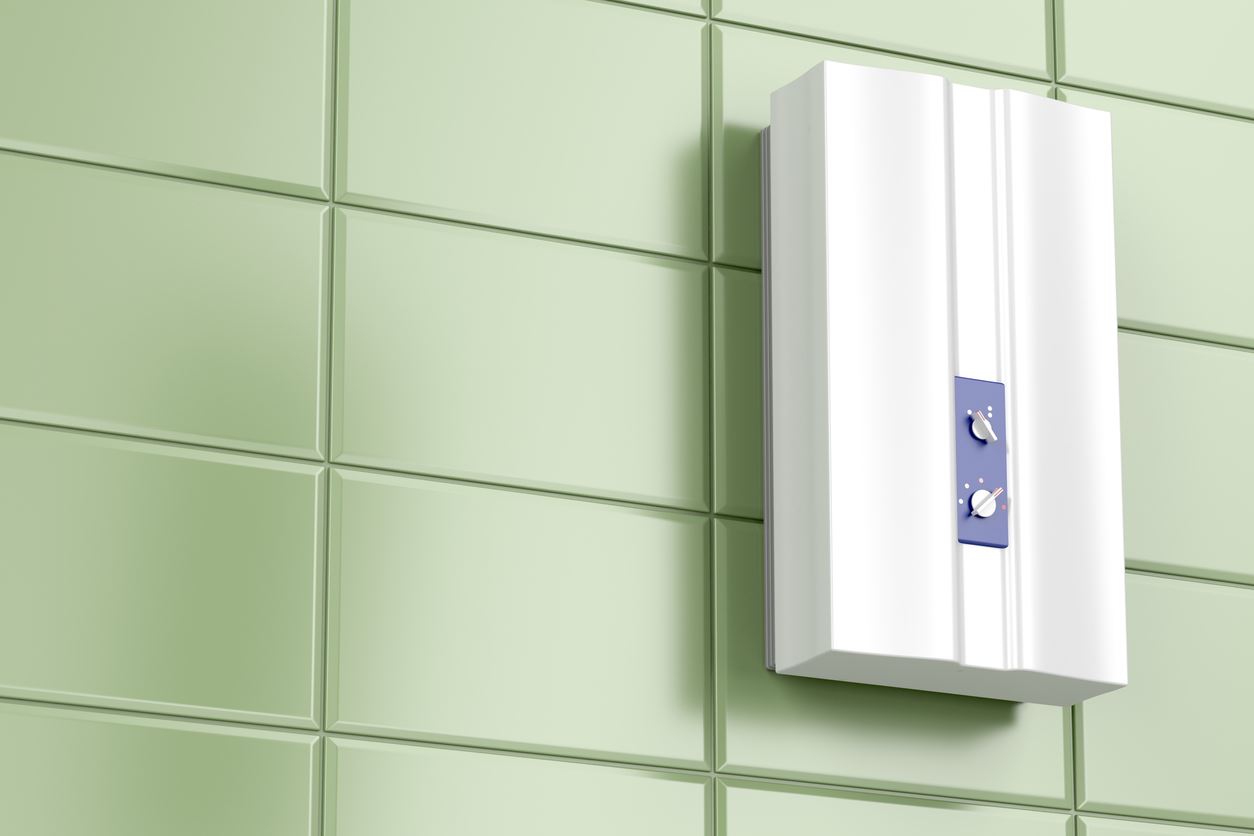
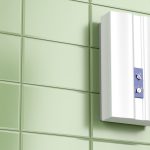
A tankless water heater, also called an on-demand water heater or demand-type water heater, heats water as it flows through the unit instead of storing hot water in a tank. When someone opens a hot-water fixture, the unit senses water flow, activates its burner or electric heating elements, and sends heated water toward the fixture.
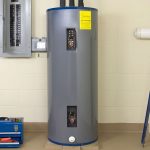
A conventional storage-tank water heater works differently. It stores a fixed amount of hot water, often 40 to 80 gallons in many homes, and keeps that water hot until it is used. Once the stored hot water is depleted, the tank needs recovery time to heat a new supply.
How Does an On-Demand Hot Water Heater Work?
In a gas tankless water heater, cold water enters the unit when a hot tap opens. A flow sensor activates the gas burner, the heat exchanger transfers heat into the water, and combustion gases are vented through a dedicated vent system. ENERGY STAR describes whole-home gas tankless units this way: they heat water only when needed and avoid standby losses from maintaining a tank of hot water.
Electric tankless models use high-powered electric elements instead of a gas burner. They do not need combustion venting, but whole-home electric tankless systems may require substantial electrical capacity. For that reason, the practical choice between gas and electric depends on the home’s existing utilities, panel capacity, fixture demand, and installation location.
Tankless Water Heater vs. Traditional Tank Water Heater
If you are comparing a tankless heater vs tank system, or searching for hot water tank vs tankless guidance, look beyond the equipment box. Performance depends on the house, hot-water habits, installation requirements, fuel cost, and maintenance.
| Factor | Tankless water heater | Traditional storage-tank water heater |
|---|---|---|
| How it heats water | Heats water on demand as water flows through the unit. | Stores a tank of heated water and reheats it as needed. |
| Hot-water supply | Can run continuously within the unit’s gallons-per-minute capacity. | Limited by tank size and recovery rate. |
| Simultaneous fixture use | Depends heavily on sizing, temperature rise, and flow rate. | Can often handle short bursts of high demand until stored water is depleted. |
| Energy use | Reduces standby losses because there is no large tank kept hot all day. | Uses energy to maintain stored water temperature, even between uses. |
| Upfront cost | Usually higher, especially if gas, venting, electrical, or plumbing upgrades are needed. | Usually lower for a like-for-like replacement. |
| Space | Compact and often wall-mounted. | Requires floor space for the tank. |
| Maintenance | Often needs periodic flushing/descaling, especially in hard-water areas. | May need flushing, anode inspection, and standard tank maintenance. |
| Expected lifespan | Often longer when sized, installed, and maintained correctly. | Often shorter than tankless, though actual life varies by water quality and maintenance. |
| Best fit | Homes that value space savings, long-term use, and continuous hot water within capacity. | Homes prioritizing lower initial cost or simple replacement. |
Tankless Water Heater Pros and Cons
Tankless water heater pros and cons are not the same for every home. A system that works well for a household with staggered shower times may be frustrating for a large household that runs multiple high-flow fixtures at once.
| Pros | Cons |
|---|---|
| Continuous hot water as long as demand stays within the unit’s capacity. | Higher installed cost than many standard tank replacements. |
| Reduced standby energy loss because the system is not storing a full tank of hot water. | May need gas-line, venting, condensate, electrical, or plumbing upgrades. |
| Compact design can free up floor space in a garage, closet, or utility area. | Flow-rate limits matter during simultaneous showers, laundry, or dishwashing. |
| Longer expected service life when maintained correctly. | Hard water can increase scaling and maintenance needs. |
| Lower risk of a large storage-tank rupture because there is no large tank reservoir. | Gas models still need electricity for controls, ignition, and sensors, so outages can affect hot water. |
Does Tankless Mean Instant or Unlimited Hot Water?
Tankless does not always mean instant hot water at the faucet. The unit may heat water quickly, but hot water still has to travel through the home’s pipes. If the fixture is far from the water heater, there can still be a wait unless the plumbing layout or a compatible recirculation setup addresses that delay.
Tankless also does not mean unlimited hot water in every situation. It means the system can keep producing hot water over time as long as the hot-water demand does not exceed the unit’s capacity. Capacity is usually discussed in gallons per minute and depends on the temperature rise required to heat incoming water to the set temperature.
Cost, Efficiency, and Long-Term Value
Tankless systems usually cost more upfront than standard tank replacements. The equipment can be more expensive, and installation can become more involved if the home needs a larger gas line, a new vent route, condensate handling, new electrical service, or relocation of the water heater.
Efficiency is one reason homeowners still choose tankless. The U.S. Department of Energy notes that demand-type water heaters avoid standby losses associated with storage water heaters, and DOE consumer guidance has cited higher efficiency for homes using lower daily hot-water volumes. ENERGY STAR’s current criteria also use Uniform Energy Factor, or UEF, to compare efficiency; ENERGY STAR certified gas-fired instantaneous water heaters must meet UEF and gallons-per-minute requirements.
The long-term value is strongest when the system is correctly sized, installed to code, maintained for local water quality, and kept long enough for operating savings and lifespan to matter. If the installation requires major upgrades and the household uses little hot water, a tankless system may take longer to justify financially.
Gas vs. Electric Tankless Water Heaters
Gas tankless water heaters are common for whole-home applications because they can provide higher output when properly supplied with gas and vented correctly. This is the type of on demand hot water heater many homeowners mean when they ask about whole-house tankless performance. However, gas units may require combustion air, exhaust venting, gas-line evaluation, condensate drainage for condensing models, and a nearby electrical outlet for controls.
Electric tankless water heaters avoid gas combustion and venting, but whole-home electric models can place a heavy demand on the electrical system. Some homes may need panel or circuit upgrades before an electric tankless unit is practical. A point-of-use electric model may make sense for a specific fixture, but that is different from replacing a whole-home water heater.
Maintenance, Hard Water, and Lifespan
Routine maintenance matters for both tank and tankless systems. Tankless units have narrow waterways and heat exchangers that can accumulate mineral scale, especially where water is hard. Periodic flushing or descaling helps maintain performance and protect the heat exchanger. Some installations may also benefit from water treatment, a scale-reduction system, or a maintenance schedule based on manufacturer guidance.
A well-maintained tankless water heater can have a longer expected service life than a typical storage-tank model, but lifespan depends on water quality, installation quality, maintenance, usage, replacement-part availability, and manufacturer specifications. A neglected tankless system in hard water may lose efficiency or develop problems earlier than expected.
Santa Clara Installation Considerations
Santa Clara and Silicon Valley homeowners should look at the whole installation, not just the unit. A tankless conversion may require gas sizing, vent location, condensate drainage, seismic and mounting considerations, electrical power, permit requirements, and safe access for service. Nearby jurisdictions such as San Jose state that installing or replacing a water heater requires a plumbing permit, and depending on water-heater type, an electrical permit may also be required.
Local water quality also matters. Hard water can increase scale inside a tankless water heater, so maintenance planning should be part of the purchase decision. Before switching from a tank to tankless, a plumber should evaluate the existing water heater location, fuel supply, vent path, fixture demand, and code requirements.
When Tankless Is Worth It
A tankless water heater is often worth considering when:
- Your current water heater is near replacement age.
- You often run out of hot water because the storage tank is too small.
- You want a compact, wall-mounted system to free up space.
- You plan to stay in the home long enough to value lifespan and operating savings.
- Your home can support the needed gas, venting, electrical, and plumbing requirements without excessive upgrades.
- You are willing to keep up with maintenance, especially descaling in hard-water conditions.
When a Traditional Tank May Be Better
A traditional tank water heater may still be the better choice when:
- The lowest upfront cost is the main priority.
- You need a fast, simple like-for-like replacement.
- The home would require expensive gas, venting, or electrical upgrades.
- Several high-flow fixtures are often used at the same time and a single tankless unit would not meet demand.
- You prefer a familiar system with simpler replacement logistics.
Talk With EJ Home Services About Water Heater Options
If you are comparing a hot water tank vs. tankless system, EJ Home Services can evaluate your home’s hot-water demand, existing water heater, fuel supply, venting, electrical capacity, and maintenance needs. The best choice may be a tankless water heater, a conventional storage-tank water heater, or another efficient option depending on the home.
Learn more about tankless water heater services, water heater repair and replacement, gas line repair and replacement, plumbing inspections, and plumbing maintenance. For help in Santa Clara or nearby Silicon Valley communities, contact EJ Home Services.
Sources
- ENERGY STAR: How whole-home gas tankless water heaters work
- ENERGY STAR: Residential water heater key product criteria
- Building America Solution Center: Gas-fired tankless water heaters
- City of San Jose: Water heater permit guidance
FAQs About Tankless Water Heaters vs. Tanks
What is a tankless water heater?
A tankless water heater heats water on demand as it flows through the unit instead of storing hot water in a tank.
Is tankless better than a tank?
Tankless can be better for continuous hot water, space savings, and reduced standby energy loss. A tank can be better for lower upfront cost and simpler replacement.
Does a tankless water heater provide instant hot water?
Not always. The unit heats water quickly, but hot water still has to travel through the pipes to the fixture.
Does a tankless water heater provide unlimited hot water?
It can provide continuous hot water over time, but only within its flow-rate capacity. Too many fixtures at once can exceed that capacity.
Can a tankless water heater run multiple showers?
Sometimes. It depends on the unit’s gallons-per-minute rating, incoming water temperature, shower flow rates, and whether other hot-water fixtures are running.
Why does tankless installation cost more?
Tankless installation can cost more because the home may need gas-line changes, venting changes, condensate drainage, electrical work, plumbing adjustments, or relocation.
Are tankless water heaters more efficient?
They can be more efficient because they avoid standby losses from keeping stored water hot. Actual savings depend on usage, fuel cost, model efficiency, and installation quality.
How long does a tankless water heater last?
Many tankless systems can last longer than traditional tank models when properly installed and maintained, but lifespan varies by water quality, use, and manufacturer guidance.
Do tankless water heaters need maintenance?
Yes. Tankless systems typically need periodic flushing or descaling, especially in hard-water areas, along with inspections based on the manufacturer’s recommendations.
Is gas or electric tankless better?
Gas is often more practical for whole-home tankless demand, while electric may work for smaller loads or point-of-use applications. The right choice depends on the home.
Is switching from tank to tankless worth it?
Switching can be worth it if the household values continuous hot water, space savings, efficiency, and longer equipment life enough to justify the installation cost.


Schedule Service
Our Services






Worried about an electrical or plumbing problem?
When you need electrical or plumbing services in San Jose, Santa Clara, or any of the communities in the surrounding Bay Area, count on EJ Home Services. With more than a decade of industry experience, our expertly-trained technicians can handle just about any problem you may have. From drain cleaning to water leaks, sewer line replacements, toilet repairs, electrical repair, upgrades, and more, you can rely on us for all your needs. We even offer emergency services upon availability for serious issues that just can't wait. Our dependable team is always available to assist you.