What to Expect During a Plumbing Inspection: Checklist, Cost & Benefits
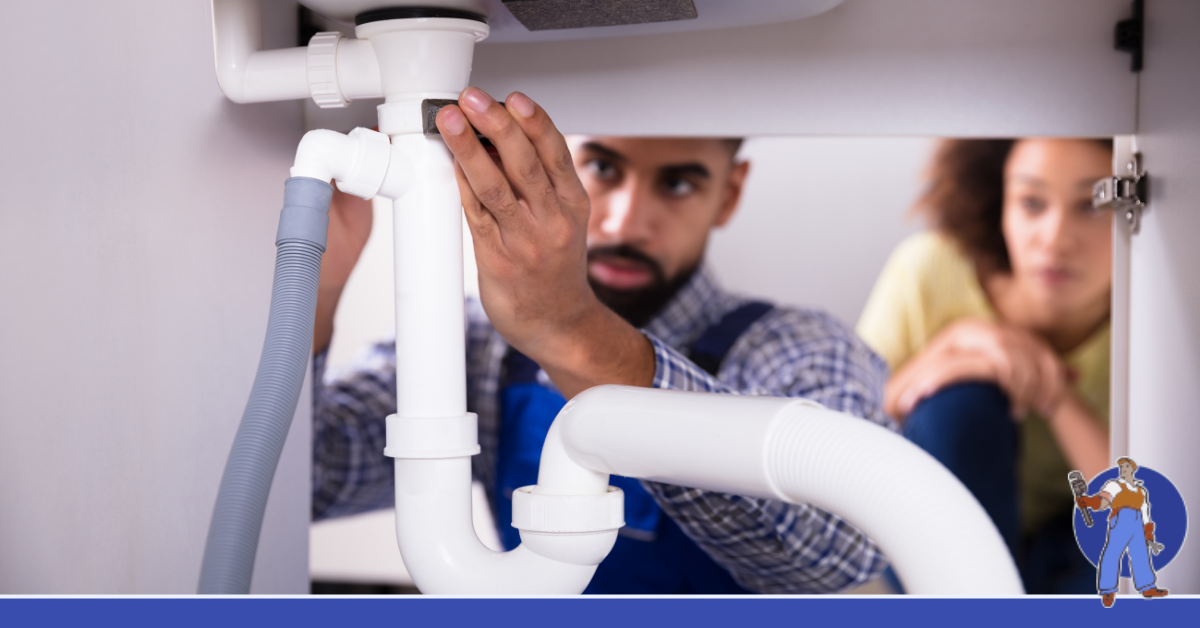
A plumbing inspection gives you a clear picture of your home’s plumbing system before small issues turn into leaks, water damage, sewer backups, or expensive repairs. Whether you are buying a home, preparing for a remodel, troubleshooting recurring plumbing problems, or scheduling preventive maintenance, a professional inspection can help you understand what is working, what needs attention, and what may need to be repaired or replaced soon.
At EJ Home Services, our licensed plumbing team inspects plumbing systems for homeowners throughout Santa Clara, San Jose, Sunnyvale, Mountain View, Palo Alto, Los Altos, and nearby Silicon Valley communities. Here is what to expect during a plumbing inspection, what a plumber checks, how much a plumbing inspection may cost, and when it is worth scheduling one.
Quick Answer
A professional plumbing inspection is a detailed review of your home’s water supply, drains, fixtures, water heater, shut-off valves, visible pipes, and, when needed, sewer line condition. The goal is to find leaks, corrosion, pressure problems, drainage issues, water heater concerns, and warning signs before they become larger plumbing emergencies.
Key Takeaways
- A plumbing inspection checks more than one fixture; it evaluates the overall condition of your plumbing system.
- Common inspection items include water pressure, leaks, drains, toilets, faucets, water heater, shut-off valves, laundry plumbing, and sewer line concerns.
- A sewer camera inspection may be recommended if there are slow drains, recurring clogs, gurgling toilets, sewage odors, or homebuyer concerns.
- The cost for a plumbing inspection depends on the size of the home, the scope of the inspection, and whether specialized services like camera inspection or leak detection are needed.
- Regular plumbing inspections can help prevent water damage, reduce emergency repairs, and extend the life of plumbing equipment.
What Is a Plumbing Inspection?
A plumbing inspection is a professional evaluation of the plumbing components that move clean water into your home and wastewater out of your home. It is more complete than a typical service call for a leaky faucet or clogged drain. Instead of focusing on one problem, a full plumbing inspection looks at the system as a whole.
During the inspection, a plumber checks accessible plumbing fixtures, water lines, drains, visible piping, valves, water heater components, and signs of leaks or corrosion. If the home has symptoms of a sewer line problem, the plumber may also recommend a video sewer camera inspection to see what is happening inside the underground pipe.
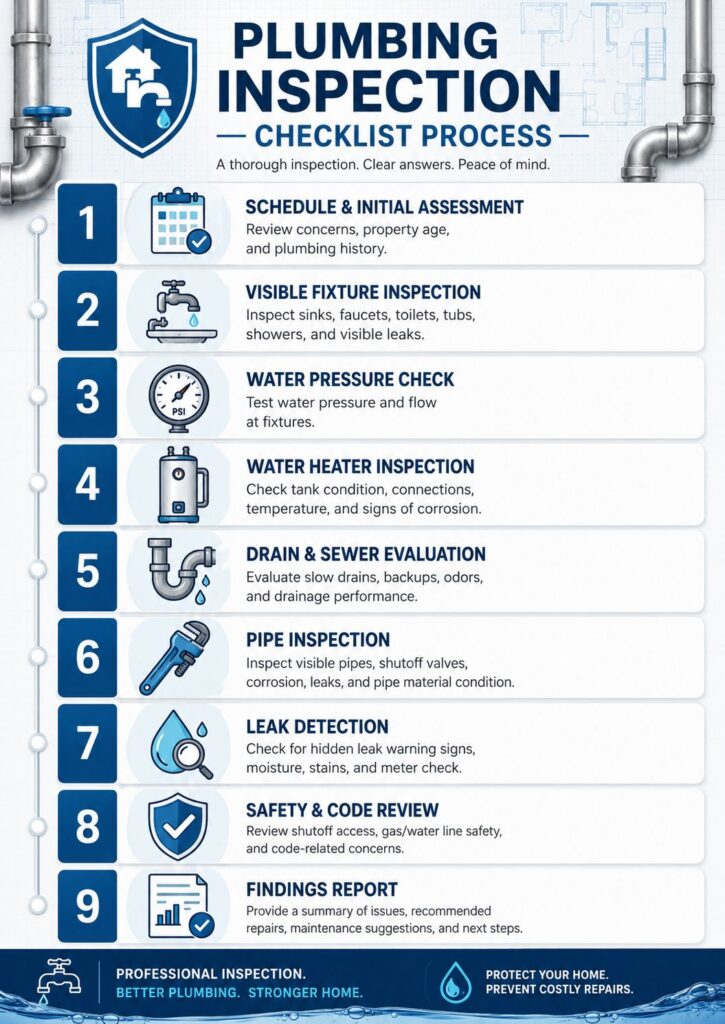
What Does a Plumbing Inspection Include?
The exact checklist can vary depending on the home, age of the plumbing, and reason for the inspection, but a professional plumbing inspection typically includes the following areas.
1. Initial Walkthrough and Visual Assessment
Your plumber starts with a walkthrough of accessible plumbing areas. This includes kitchens, bathrooms, laundry rooms, utility areas, outdoor hose bibs, exposed pipes, and visible shut-off valves. The plumber looks for active leaks, corrosion, loose connections, water stains, moisture, mold risk, damaged supply lines, and signs that a fixture or system is near the end of its useful life.
2. Water Pressure and Flow Testing
Water pressure affects comfort, fixture performance, and the lifespan of plumbing components. If pressure is too low, showers, faucets, washing machines, and other appliances may not work properly. If pressure is too high, it can strain pipes, valves, supply lines, water heaters, and appliances.
During an inspection, the plumber may test water pressure and check whether flow issues are isolated to one fixture or affecting the whole home.
3. Leak Detection and Pipe Condition
A plumbing inspection looks for obvious leaks and warning signs of hidden leaks. This may include damp cabinets, stains under sinks, corrosion around fittings, warped flooring, mildew odors, unusual wall or ceiling stains, and signs of past repairs. In some situations, more advanced leak detection may be recommended if the plumber suspects a slab leak, hidden pipe leak, or water line issue.
4. Water Heater Inspection
Your water heater is one of the most important plumbing appliances in the home. A plumber may check the water heater for age, visible leaks, corrosion, proper connections, sediment concerns, temperature settings, venting concerns, and the condition of the temperature and pressure relief valve.
If the water heater is older, leaking, making noise, producing rusty water, or failing to provide enough hot water, the plumber may recommend repair, replacement, or maintenance.
5. Drain and Sewer Line Evaluation
Slow drains, recurring clogs, gurgling toilets, sewage odors, or water backing up into tubs and showers can point to a deeper drain or sewer problem. During a plumbing inspection, the plumber may test drains and ask about recent backups or recurring issues.
If a main sewer line problem is suspected, a video sewer camera inspection may be recommended. This allows the plumber to look for roots, cracks, bellied sections, blockages, offset joints, or damaged sewer pipe.
6. Fixture and Appliance Checks
A plumbing inspection typically includes sinks, faucets, toilets, showers, tubs, garbage disposals, dishwashers, washing machine connections, and other water-using fixtures. The plumber checks for leaks, loose fittings, running toilets, slow drainage, worn supply lines, improper shut-off valves, mineral buildup, and visible damage.
7. Shut-Off Valve and Safety Check
Main shut-off valves and fixture shut-off valves are important during emergencies. Your plumber may check whether key valves are accessible and functioning. If a valve is stuck, leaking, corroded, or missing, replacing it can help prevent major water damage during a future leak.
8. Outdoor Plumbing
Outdoor plumbing may include hose bibs, exterior faucets, irrigation connections, cleanouts, and visible piping. These areas are checked for leaks, damage, corrosion, drainage concerns, and accessibility. In older homes, exterior plumbing issues can also point to underground line problems.
9. Post-Inspection Report and Recommendations
After the inspection, your plumber should explain what was checked, what was found, and which issues are urgent versus optional or preventive. A good plumbing inspection should leave you with clear recommendations so you can make informed decisions about repairs, replacement, maintenance, or further testing.
Plumbing Inspection Checklist
Use this plumbing inspection checklist as a guide for what should be reviewed during a professional inspection.
☐ Water pressure and flow at fixtures
☐ Visible leaks under sinks and around fixtures
☐ Faucets, toilets, showers, tubs, and garbage disposal
☐ Running toilets or worn toilet components
☐ Drain performance and signs of slow drainage
☐ Water heater age, condition, leaks, corrosion, and safety components
☐ Main water shut-off valve and fixture shut-off valves
☐ Visible supply lines, drain lines, and exposed piping
☐ Laundry room hoses, valves, and drainage
☐ Outdoor faucets, hose bibs, and cleanouts
☐ Signs of hidden leaks, moisture, or water stains
☐ Sewer line symptoms such as backups, odors, or gurgling drains
☐ Recommendations for repair, maintenance, or replacement
How Much Does a Plumbing Inspection Cost?
The cost for a plumbing inspection depends on the size of the home, the age and complexity of the plumbing system, the scope of the inspection, and whether specialized testing is needed. A basic visual inspection may cost less than a detailed inspection that includes sewer camera inspection, leak detection, water heater evaluation, or a written report for a real estate transaction.
Common factors that can affect plumbing inspection cost include:
- Size of the home and number of fixtures
- Number of bathrooms, kitchens, laundry areas, and water-using appliances
- Age and material of the plumbing system
- Whether the inspection is for maintenance, troubleshooting, or a home purchase
- Whether the sewer line needs video camera inspection
- Whether hidden leak detection or pressure testing is needed
- How accessible the pipes, valves, water heater, and cleanouts are
The safest approach is to schedule an inspection and explain the reason for the appointment. EJ Home Services can recommend the right level of inspection based on your home, symptoms, and goals.
When Should You Schedule a Plumbing Inspection?
A plumbing inspection is useful any time you want to understand the condition of your plumbing system, but it is especially important in the following situations.
Before Buying a Home
A general home inspection may not fully evaluate the plumbing system or underground sewer line. A professional plumbing inspection can help homebuyers identify hidden leaks, aging water heaters, failing shut-off valves, drainage problems, or sewer line concerns before closing.
Before Selling a Home
If you are preparing to sell, a plumbing inspection can help you find and address issues before they become negotiation problems. Fixing leaks, slow drains, or water heater concerns in advance can make the sale process smoother.
When You Have Recurring Plumbing Problems
If you keep dealing with clogs, sewage odors, slow drains, bubbling toilets, low water pressure, or unexplained moisture, an inspection can help identify the underlying cause instead of treating symptoms one at a time.
After Water Damage or a Major Leak
After a leak, burst pipe, or water damage event, a plumbing inspection can help confirm whether the issue has been fully resolved and whether related components need attention.
As Preventive Maintenance
Regular inspections help catch small problems before they become emergencies. For many homes, scheduling a plumbing inspection every year or two can help protect the plumbing system, especially if the home is older or has a history of plumbing issues.
Why Plumbing Inspections Matter
A plumbing system works hard every day, but many problems are hidden until they become expensive. Small leaks can damage cabinets, floors, drywall, and framing. High water pressure can shorten the life of pipes and fixtures. Water heater issues can lead to leaks, inconsistent hot water, or safety concerns. Sewer line problems can cause backups and unsanitary conditions.
A plumbing inspection helps homeowners find these issues early. It can also help prioritize repairs, plan for future replacement, and avoid surprise emergencies.
Plumbing Inspections Near Me in Santa Clara and Silicon Valley
If you are searching for plumbing inspections near me in Santa Clara or the surrounding Silicon Valley area, EJ Home Services can help. Our team serves homeowners in Santa Clara, San Jose, Sunnyvale, Mountain View, Palo Alto, Los Altos, and nearby communities.
Local homes may have a mix of older plumbing materials, aging sewer laterals, hard water concerns, older water heaters, remodeled kitchens and bathrooms, and mature tree roots near sewer lines. A professional inspection can help identify risks specific to the property and recommend the safest next step.
Why Choose EJ Home Services for a Plumbing Inspection?
EJ Home Services has provided plumbing service to Silicon Valley homeowners for more than 20 years. Our licensed plumbing team can inspect your system, explain what we find, and recommend practical next steps without unnecessary pressure.
When you choose EJ Home Services, you get local plumbing experience, clear communication, and service from a team that understands plumbing systems in Santa Clara and the surrounding Bay Area. License Number: 826797.
Frequently Asked Questions About Plumbing Inspections
What is included in a plumbing inspection?
A plumbing inspection may include checking water pressure, fixtures, toilets, sinks, drains, water heater, shut-off valves, visible pipes, laundry plumbing, outdoor faucets, and signs of leaks or corrosion. A sewer camera inspection may also be recommended if there are symptoms of a sewer line problem.
How much does a plumbing inspection cost?
Plumbing inspection cost depends on the size of the home, the scope of the inspection, and whether services like sewer camera inspection or leak detection are needed. EJ Home Services can recommend the right inspection based on your home and concerns.
Do I need a plumbing inspection before buying a house?
Yes, a plumbing inspection is a smart step before buying a home. It can help identify aging pipes, leaks, water heater problems, drainage issues, and sewer line concerns that a standard home inspection may not fully uncover.
How often should I schedule a plumbing inspection?
Many homeowners benefit from a plumbing inspection every one to two years. Older homes, homes with recurring plumbing issues, or homes with large trees near the sewer line may need inspections more often.
Is a sewer camera inspection part of every plumbing inspection?
Not always. A sewer camera inspection is usually recommended when there are warning signs such as recurring clogs, gurgling drains, sewage odors, slow drains throughout the home, or concerns during a home purchase.
Can a plumbing inspection find hidden leaks?
A plumber can identify signs of hidden leaks during an inspection, such as moisture, stains, corrosion, mildew odors, or abnormal pressure issues. If a hidden leak is suspected, specialized leak detection may be recommended.
What should I do before a plumbing inspection?
Make sure the plumber can access sinks, toilets, water heater, laundry connections, shut-off valves, cleanouts, and outdoor faucets. It also helps to write down any recent problems such as leaks, slow drains, odors, noises, or changes in water pressure.
Schedule a Plumbing Inspection in Silicon Valley
If you want a clearer picture of your home’s plumbing system, EJ Home Services is ready to help. We provide plumbing inspections and related plumbing services throughout Santa Clara, San Jose, Sunnyvale, Mountain View, Palo Alto, Los Altos, and nearby Silicon Valley communities. Contact Us
Call EJ Home Services at (650) 434-4432 or schedule service online to book your plumbing inspection.
Schedule Service
Our Services




Worried about an electrical or plumbing problem?
When you need electrical or plumbing services in San Jose, Santa Clara, or any of the communities in the surrounding Bay Area, count on EJ Home Services. With more than a decade of industry experience, our expertly-trained technicians can handle just about any problem you may have. From drain cleaning to water leaks, sewer line replacements, toilet repairs, electrical repair, upgrades, and more, you can rely on us for all your needs. We even offer emergency services upon availability for serious issues that just can't wait. Our dependable team is always available to assist you.