
4 Tips to Fix a Slow Draining Sink
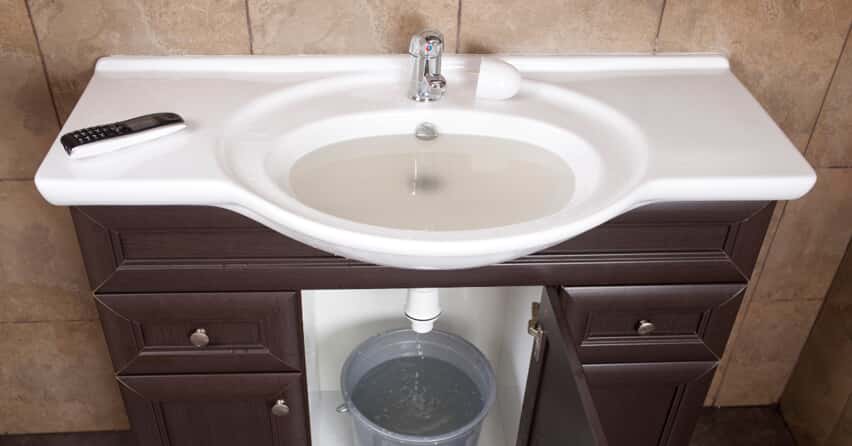
A slow-draining sink is usually more than a small annoyance. It often means water can still pass through the drain, but something is narrowing the path. That restriction may be right at the stopper, inside the overflow passage, in the P-trap below the sink, farther down the branch drain, or in a larger drain line that serves more than one fixture.
This guide explains how to fix a slow draining sink safely, how to tell whether the issue is likely in a bathroom sink or kitchen sink, and when it is time to stop troubleshooting and call a professional for drain cleaning. The goal is not to turn a homeowner into a drain technician. It is to help you try the basic, low-risk checks first and recognize the symptoms that point to a deeper plumbing problem.
How to Fix a Slow Draining Sink Safely
Start with the least invasive steps. A sluggish sink drain is often caused by hair, soap film, toothpaste, food residue, grease, or small debris that has collected near the drain opening. If you can remove that material without forcing tools deep into the pipe, you may restore normal flow without creating a bigger issue.
Stop if the sink is backing up with dirty water, more than one drain is slow, the drain smells like sewage, the sink gurgles, or the problem keeps coming back. Those symptoms can mean the restriction is beyond the sink itself. In that situation, continuing to pour products or push tools into the drain may make diagnosis harder or increase the risk of damage.
First, Identify What Kind of Slow Drain You Have
Before grabbing a tool, watch how the sink behaves. Does water pool only after the faucet runs for a while, or does it stop draining almost immediately? Does it drain slowly but eventually empty? Does another fixture gurgle when this sink drains? Does the problem happen only at one sink, or are tubs, showers, toilets, or other sinks also slow?
| Symptom | Likely area to check first | What it may mean |
|---|---|---|
| Water drains slowly but eventually empties | Stopper, drain opening, overflow, or P-trap | A partial restriction is slowing flow, even though the drain is not fully blocked. |
| Bathroom sink slow draining after shaving, washing hair, or daily use | Pop-up stopper and drain opening | Hair, soap, toothpaste, and personal-care residue often collect around the stopper. |
| Kitchen sink draining slow after cooking or dishwashing | Disposal, strainer, P-trap, and branch drain | Grease, food particles, starches, coffee grounds, or disposal residue may be narrowing the drain. |
| Sink gurgles while draining | Branch drain or venting | Air movement may be restricted, or the drain may be struggling to move water past a blockage. |
| Several fixtures drain slowly | Shared branch line, main drain, or sewer line | This is usually not a simple sink-stopper clog and should be professionally diagnosed. |
Bathroom Sink Slow Draining: Common Causes
A slow bathroom sink drain usually starts close to the fixture. The pop-up stopper sits directly in the water path, so it can catch hair and combine it with soap, toothpaste, shaving cream, and skin-care residue. Over time, that buildup can leave only a narrow opening for water to pass.
The sink overflow can also affect drainage. Many bathroom sinks have a small overflow opening near the top of the bowl. Besides helping manage accidental overfilling, that passage can admit air as the sink drains. If the overflow passage is dirty or restricted, water may move more slowly even after the visible drain opening has been cleaned.
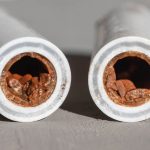
If cleaning the stopper and overflow does not help, the restriction may be in the P-trap or branch drain. Older drain piping may also have mineral scale, corrosion, or rough interior surfaces that catch debris more easily.
Kitchen Sink Slow Draining: Common Causes
A slow kitchen sink drain often has a different cause. Grease, oils, fats, sauces, rice, pasta, coffee grounds, eggshell fragments, and other food residue can collect in the pipe. Even if these materials seem small, they can build sticky layers that catch more debris over time.
If the sink has a garbage disposal, the disposal can add another variable. A poorly operating disposal, dull grinding action, insufficient flushing water, or food sent through too quickly can leave residue in the drain. If the disposal hums, jams, leaks, smells strongly, or water backs up into the other basin, stop using it and have the system checked.
Kitchen clogs may also form farther downstream than the P-trap. Grease that is softened by warm water can cool and stick to the inside of the branch line, especially if it travels away from the sink before solidifying. That is one reason hot water alone is not a reliable fix for a recurring kitchen slow drain.
Step-by-Step Troubleshooting Sequence
Use this order before moving to stronger methods. It starts at the visible drain opening and works outward only when the safer checks do not solve the problem.
1. Remove Visible Debris
Look into the drain opening with the faucet off. If you can see hair, a small object, food residue, or other debris near the top, remove it with gloved hands or a simple plastic drain tool designed for that purpose. Do not push the material deeper into the pipe.
If jewelry, a cap, a toy, or another solid object fell into the sink, do not run more water and do not force a snake through the drain. A solid object can lodge in the trap or branch line. It is often better to retrieve it carefully from the top or have the trap removed.
2. Clean the Stopper or Drain Cover
For a bathroom sink, the pop-up stopper is one of the most common clog points. Some stoppers lift out from above. Others are connected to a rod below the sink. If you understand how your stopper is attached and can remove it without forcing parts, clean the stopper, rinse the drain opening, and reinstall everything securely.
For a kitchen sink, remove and clean the strainer basket. If the sink has a disposal, turn the disposal off before inspecting the opening. Never put your hand inside the disposal chamber. Use tongs only if you can safely remove loose debris from the top, and follow the disposal manufacturer’s safety instructions.
3. Check the Overflow Passage
If a bathroom sink still drains slowly after the stopper is clean, check the overflow opening. Soap film and buildup can collect in that passage. A small bottle brush or flexible cleaning brush may help clean the opening gently. Avoid harsh tools that can scratch finishes or push debris into a spot you cannot reach.
4. Use a Properly Sized Sink Plunger
A small cup plunger can help if the restriction is near the sink. Add enough water to cover the plunger cup, cover the overflow opening on a bathroom sink with a wet rag, and use steady up-and-down motion. The goal is to move water pressure through the drain, not slam the plumbing.
Do not plunge a sink after using chemical drain cleaner. Splashback can expose you to corrosive liquid. Also avoid aggressive plunging if the piping below the sink is loose, corroded, leaking, or poorly supported.
5. Use a Basic Drain Zip Carefully
A plastic drain zip can pull hair and soft buildup from the upper part of a bathroom drain. It is different from a metal drain snake or auger. Use it gently and only where it fits naturally. If it catches, do not yank hard enough to damage the stopper assembly or trap connection.
A hand drain snake can be useful in the right situation, but it can also scratch fixtures, puncture old piping, damage a trap, or push debris deeper when used incorrectly. If the clog does not respond to basic cleaning, professional equipment is usually a better next step.
6. Inspect or Clean the P-Trap Only If It Is Safe
The P-trap is the curved pipe below the sink. It holds water to block sewer gases and can also catch debris. If the trap is plastic, accessible, not leaking, and connected with slip nuts you can loosen by hand or with light pressure, a careful homeowner may be able to remove and clean it. Place a bucket underneath first and take a photo before disassembly so the parts go back the same way.
Do not remove the P-trap if the piping is metal and corroded, glued, painted over, cracked, leaking, or difficult to reach. Also stop if you smell sewage, see black sludge backing up, or cannot reassemble the trap with a watertight seal. At that point, call a plumber.
Bathroom vs. Kitchen Sink Slow Drain Causes
| Sink type | Common buildup | Best first check | When to call a plumber |
|---|---|---|---|
| Bathroom sink | Hair, soap, toothpaste, shaving residue, skincare products | Clean the stopper, drain opening, and overflow passage. | Call if the drain keeps slowing down, smells bad, gurgles, or the trap/pipe condition looks poor. |
| Kitchen sink | Grease, food particles, coffee grounds, starches, disposal residue | Clear the strainer, check disposal behavior, and avoid adding more grease or food waste. | Call if water backs up into another basin, the disposal is involved, or the clog returns after cleaning. |
| Any sink with multiple slow fixtures nearby | Branch-line buildup, main-line restriction, venting issue, or sewer problem | Stop using affected fixtures and avoid adding chemicals. | Schedule professional diagnosis because the issue is likely beyond one sink. |
What Not to Pour Down a Slow Sink Drain
Boiling water is not a universal answer. It may soften some grease in selected metal drain systems, but it does not remove hair, solid objects, heavy sludge, or mechanical obstructions. It can also create a burn hazard, stress some porcelain fixtures, soften or damage some plastic piping or joints, and move grease farther into the drain before it cools again. Use hot tap water only where appropriate and where your fixture and piping materials allow it.
Baking soda and vinegar should also be treated as a mild cleaning method, not a dependable clog remover. Poison Control explains that the gas from the reaction usually escapes because drains are not airtight, so it generally does not create enough pressure to release a tough clog. The mixture is also unlikely to melt heavy grease or clear a solid obstruction.
Chemical drain cleaners deserve even more caution. Many contain corrosive acidic or alkaline ingredients. Poison Control warns that these products can cause serious burns and must be handled carefully. NIOSH also identifies sodium hydroxide, a common ingredient in some drain and oven cleaners, as caustic and capable of burning eyes, skin, and internal membranes. Never mix drain cleaners with bleach, ammonia, vinegar, or other cleaning products.
If your home has a septic system, be especially careful. The EPA advises homeowners not to pour drain cleaners, grease, oils, household chemicals, or similar materials down drains because they can harm septic system function and the environment. When in doubt, choose mechanical removal and professional diagnosis over repeated chemical use.
For safety details, see Poison Control’s drain cleaner guidance, the EPA’s septic system guidance, and NIOSH information on sodium hydroxide.
When a Slow Sink Means a Bigger Plumbing Problem
A single slow bathroom sink is often local. Several slow drains are different. If sinks, tubs, showers, toilets, or floor drains are all moving slowly, the issue may be in a shared branch line, main drain, or sewer line. Gurgling sounds, sewage odors, wastewater backing up, or repeated clogs after cleaning are warning signs that the drain system needs professional attention.
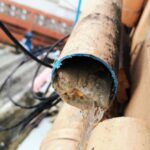
Older homes may also have cast iron, galvanized, or otherwise aging drain piping with corrosion, rough interiors, slope problems, or mineral buildup. These issues cannot be solved by pouring more cleaner into the sink. A plumber can inspect the situation, determine whether the restriction is local or farther downstream, and recommend the right solution.
For recurring drain restrictions, EJ Home Services may recommend professional drain cleaning, camera inspection, or hydro jetting when the pipe condition and clog type make it appropriate. Hydro jetting is not necessary for every slow sink, but it can help with stubborn grease, sludge, and buildup in the right drain line.
How to Prevent a Sluggish Sink Drain
Prevention depends on how the sink is used. In a bathroom, use a hair catcher when possible, clean the stopper regularly, wipe toothpaste and product residue into the trash instead of rinsing thick globs down the drain, and pay attention when the sink first starts to slow down.
In a kitchen, keep grease, oils, coffee grounds, eggshells, fibrous scraps, rice, pasta, and large food waste out of the drain. Wipe greasy pans with a paper towel before washing. Run plenty of water when using the disposal, and avoid treating the disposal like a trash can. If your home has a septic system, limit disposal use because food waste can add unnecessary solids to the tank.
If a sink repeatedly drains slowly, prevention alone will not solve the existing problem. That pattern usually means buildup remains in the drain or the line has another issue that needs diagnosis.
When to Call EJ Home Services
Call EJ Home Services if basic cleaning does not restore normal drainage, if the slow drain returns quickly, if multiple fixtures are affected, or if you notice gurgling, sewage odors, leaks, disposal trouble, or standing wastewater. Our team provides plumbing services and drain cleaning for homeowners in Santa Clara, San Jose, and nearby Silicon Valley communities.
A slow sink is easier to fix before it becomes a complete backup. If you want the restriction located and cleared properly, schedule service with EJ Home Services or call (650) 480-3522.
Slow Draining Sink FAQs
Why is my sink draining slowly but not clogged?
A sink can drain slowly because it has a partial restriction, even if water still passes through. Common causes include hair and soap around a bathroom stopper, toothpaste and personal-care residue, grease or food residue in a kitchen drain, debris in the P-trap, a partially obstructed branch drain, a restricted overflow passage, a poorly operating garbage disposal, venting or pipe-layout problems, and mineral or corrosion buildup in older drain piping.
Will boiling water fix a slow drain sink problem?
Boiling water is not a safe universal remedy for an unknown plumbing system. It may soften some grease in selected metal drain systems, but it does not remove hair, solid objects, heavy sludge, or mechanical obstructions. It can also create a burn hazard, stress some porcelain fixtures, soften some plastic piping or joints, and move grease farther into the drain instead of removing it.
What is the best thing to use on a slow drain?
The best first method depends on where the clog is likely located. Start by removing visible debris, cleaning the stopper, cleaning the overflow passage if applicable, using a properly sized sink plunger, trying a basic hand-operated drain tool where appropriate, and inspecting or cleaning an accessible P-trap if it is safe to do so. If the problem remains or involves more than one fixture, call a plumber.
What is the strongest thing to unclog a sink?
The strongest consumer option is often a chemical drain cleaner, but strongest does not mean safest or most appropriate. Many drain cleaners contain corrosive chemicals that can cause burns, fumes, splashback injuries, or pipe and fixture concerns if misused. For a stubborn, recurring, or unknown restriction, professional drain cleaning is usually the safer choice.
Can I use a plunger on a slow sink drain?
Yes, a small sink plunger can help in some cases. Use enough water to cover the cup, cover the overflow opening on a bathroom sink, and plunge steadily. Do not plunge after using chemical drain cleaner, and stop if the piping below the sink moves, leaks, or looks fragile.
Why does my sink drain slowly after I cleaned the P-trap?
If the P-trap is clean and the sink still drains slowly, the restriction may be farther downstream in the branch drain. It could also involve the overflow passage, stopper assembly, venting, or pipe condition. Recurring slow drainage is a sign that the issue needs a more complete diagnosis.
When should I call a plumber for a slow sink?
Call a plumber if multiple fixtures are slow, wastewater backs up, the sink gurgles, odors are present, the disposal is involved, the drain keeps slowing down after cleaning, or you are unsure about the condition of the piping. These symptoms often point beyond a simple sink-stopper clog.

Schedule Service
Our Services






Worried about an electrical or plumbing problem?
When you need electrical or plumbing services in San Jose, Santa Clara, or any of the communities in the surrounding Bay Area, count on EJ Home Services. With more than a decade of industry experience, our expertly-trained technicians can handle just about any problem you may have. From drain cleaning to water leaks, sewer line replacements, toilet repairs, electrical repair, upgrades, and more, you can rely on us for all your needs. We even offer emergency services upon availability for serious issues that just can't wait. Our dependable team is always available to assist you.